
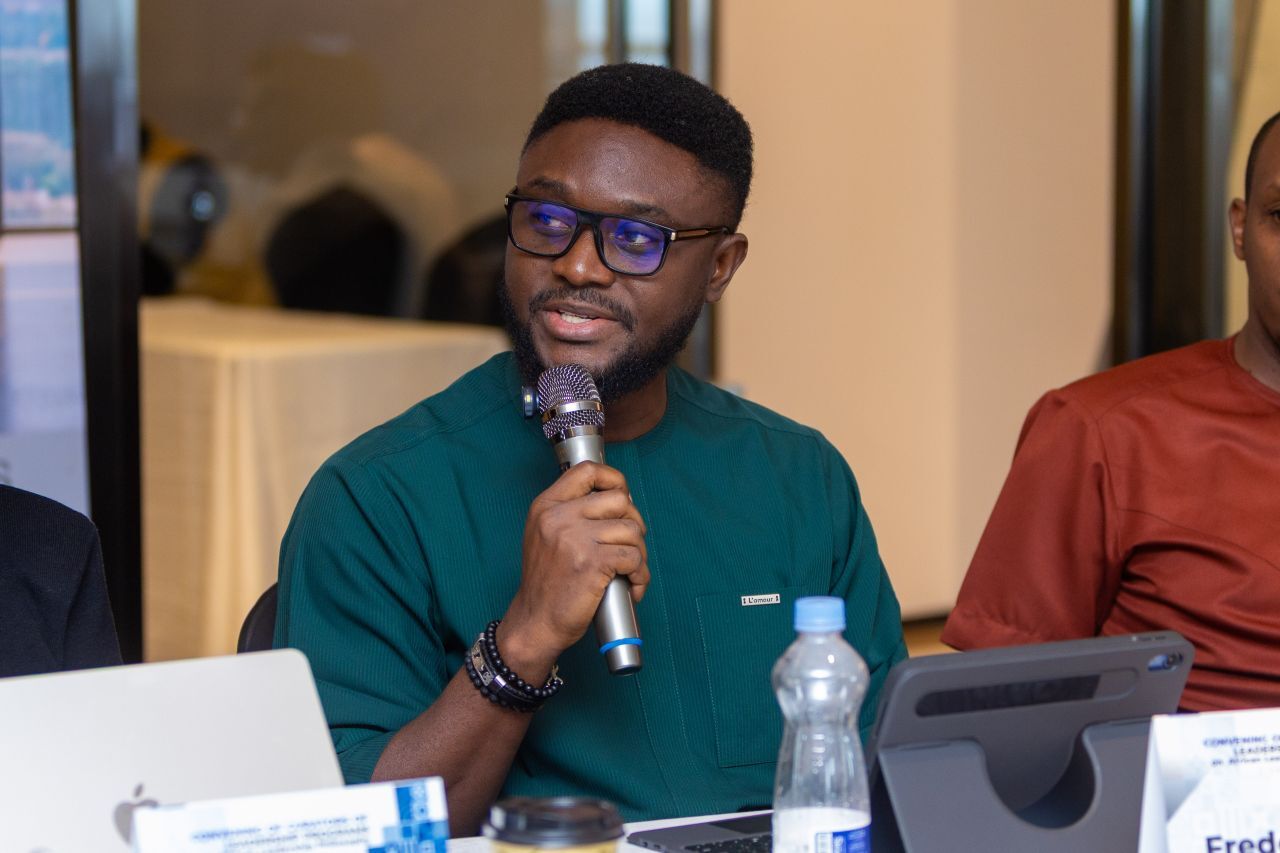
As someone whose work sits at the intersection of faith, leadership, governance, and development, I have become increasingly convinced that Africa’s greatest challenge is not merely a shortage of resources or opportunities. Rather, it is the absence of sound, progressive, and values-driven philosophies capable of shaping leaders, strengthening institutions, and driving sustainable development.
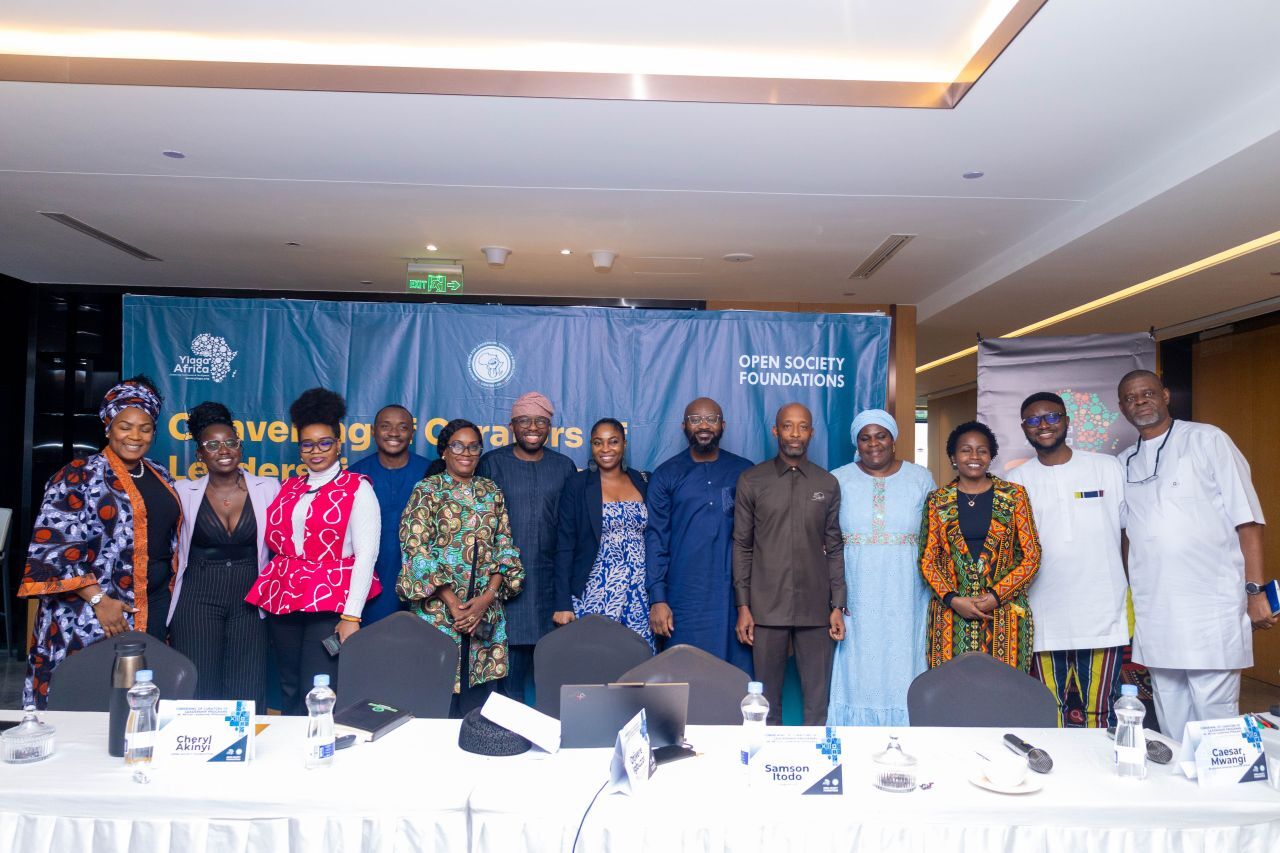
Every society rises or falls on the ideas that shape its people. Philosophies influence culture. Culture shapes institutions. Institutions, in turn, determine the quality of governance and national development. This conviction was reinforced during my recent visit to Nairobi, Kenya, where I joined civil society leaders, scholars, and curators of leadership programmes from across Africa for a two-day dialogue on the role of African Leadership Philosophies in addressing the continent’s leadership challenges.
The gathering brought together an impressive community of practitioners and thinkers united by a common concern: How do we develop leaders who are not merely competent, but are also deeply rooted in values that reflect Africa’s realities and aspirations? Our conversations explored several important questions. To what extent are African leadership philosophies currently reflected in leadership development programmes across the continent? Which indigenous ideas remain relevant in addressing today’s governance and development challenges? What barriers have prevented these philosophies from being integrated into formal leadership education? And perhaps most importantly, how can they be transmitted to future generations in ways that are both authentic and practical?
These were not merely academic conversations. They were discussions about Africa’s future. For decades, much of Africa’s leadership education has been influenced by models imported from other parts of the world. While many of these frameworks offer valuable insights, they were often developed within different historical, cultural, political, and economic contexts. As a result, they cannot always provide complete answers to Africa’s unique realities. This is why the conversation around African Leadership Philosophies is so significant.
Reclaiming indigenous leadership thought does not mean rejecting global knowledge or romanticising Africa’s past. Rather, it means identifying timeless principles embedded within African societies, such as communal responsibility, servant leadership, accountability, consensus-building, respect for human dignity, stewardship, and intergenerational responsibility and examining how they can strengthen contemporary leadership practice.
Africa needs leaders who understand both global realities and local contexts. The challenge before us is not choosing between African and Western leadership models. It is developing a leadership philosophy that draws from the best of both while remaining firmly rooted in Africa’s values, history, and development aspirations.
Several aspects of the convening stood out for me. The depth of insight shared by participants reflected years of practical leadership experience across different sectors. The research presentations challenged prevailing assumptions and opened new avenues for thought. The diversity of perspectives enriched the conversations, reminding us that Africa’s strength lies in both its unity and its diversity. Equally valuable were the relationships formed with remarkable individuals who are deeply committed to the continent’s transformation.
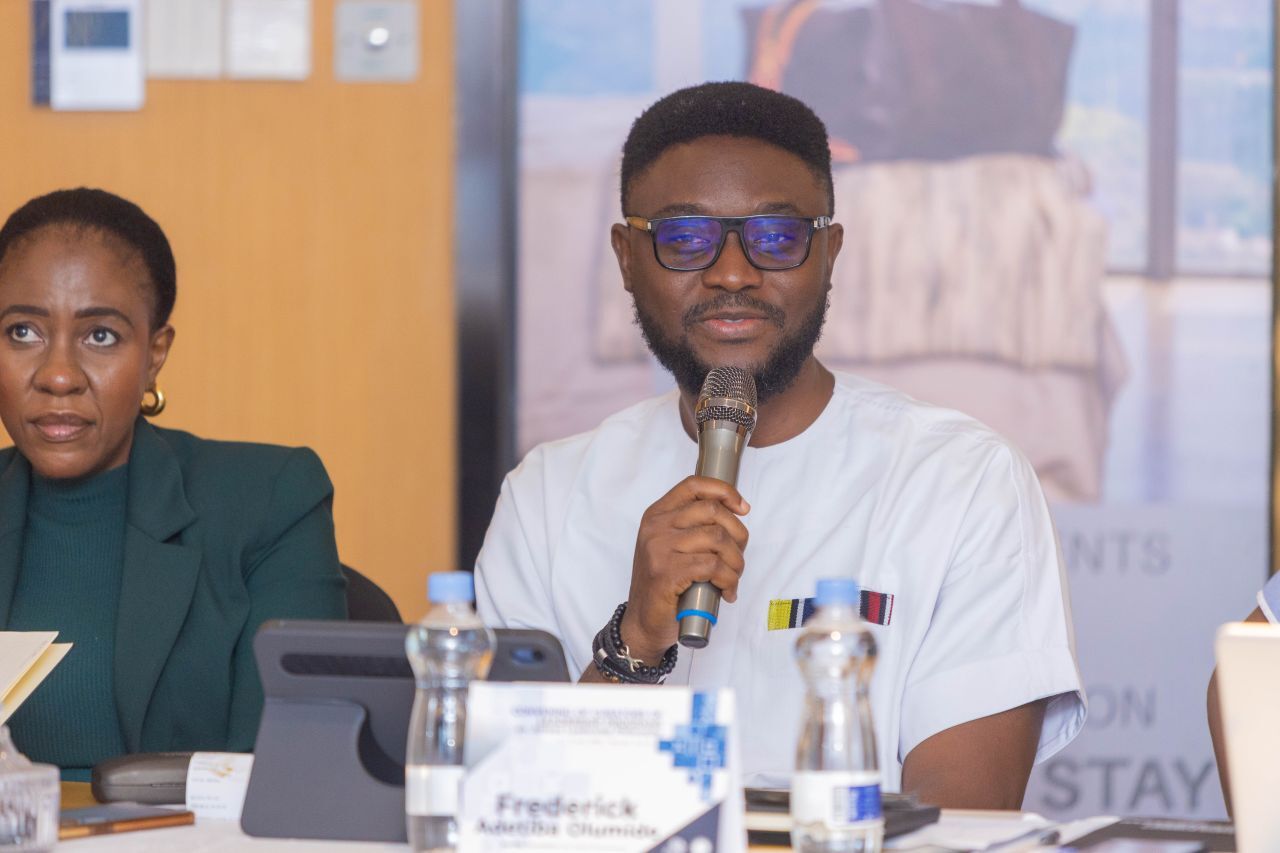
Beyond the formal sessions, the gathering reminded me that leadership development is not simply about producing more leaders. It is about producing the right kind of leaders. Africa does not merely need leaders who can win elections, manage organisations, or administer governments. We need leaders who possess character, competence, courage, vision, and an unwavering commitment to the common good. Without a guiding philosophy, leadership easily becomes transactional, personality-driven, and vulnerable to corruption. But when leadership is anchored in enduring values, institutions become stronger, governance improves, and societies flourish.
This convening forms part of a broader movement to rethink and reposition leadership development across the continent. It represents an important step toward ensuring that future generations of African leaders are shaped not only by technical knowledge but also by philosophies that cultivate integrity, responsibility, and transformational leadership.
My sincere appreciation goes to Yiaga Africa, the Centre for Leadership Strategy and Development (Centre LSD), and the Open Society Foundations for convening and facilitating this important dialogue. Their commitment to advancing leadership thought across Africa deserves recognition.
As I left Nairobi, I carried with me a renewed sense of hope. Africa’s future will not be determined solely by its natural resources, youthful population, or economic potential. It will ultimately be shaped by the quality of its people, the strength of its institutions, and the philosophies that form those who lead them. I remain optimistic that our generation can help lay that foundation. If we can nurture a values-based leadership culture rooted in Africa’s realities while embracing the best ideas the world has to offer, then the continent’s immense promise need not remain a future aspiration. It can become a lived reality. That, perhaps, is one of the most important leadership conversations Africa must continue to have.
Olumide Fred’ Adetiba is a transformation architect whose work sits at the intersection of faith, leadership, governance and development. He is the executive director of Madiba Foundation for Good Governance and Lead Steward of The Finishing Church.